

Aniefiok Christopher
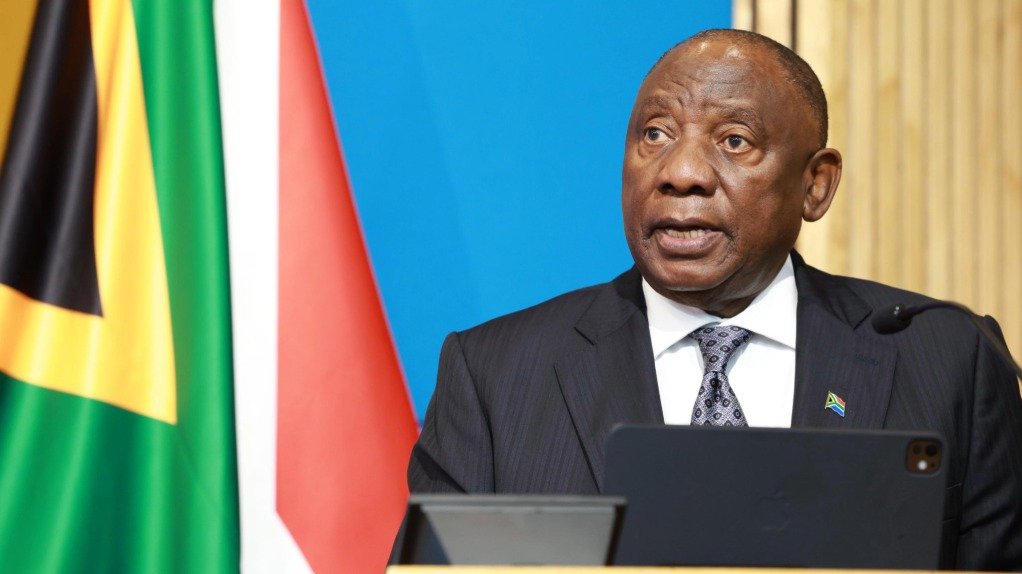
Ahead of an unofficial deadline for undocumented foreigners to leave South Africa, President Cyril Ramaphosa has warned protesters using vandalism, violence and threats against illegal immigrants.
More anti-migrant marches have been authorised for Tuesday, June 30 in Durban, Johannesburg and other cities.
Already, thousands of African migrants began the process of leaving South Africa for their various home countries as protest group March and March proceeds with plans for nationwide protests on Tuesday.
Also read
- How Government Leaders Promote Hate Crimes, Xenophobia
- Xenophobia: South Africans Attack Nigerians Again
- End xenophobic attacks, Clergyman tells Ramaphosa
Fears of vandalism and violence, reminiscent of the 2008 xenophobic violence and 2021 unrest in KwaZulu-Natal, have put South Africans and migrants on tenterhooks ahead of Tuesday.
Ramaphosa acknowledged the concerns from South Africans on illegal immigration and said the right to protest came with responsibility, warning against ”intimidation, threats or ultimatums.”
“The right to protest is one of the defining freedoms of our democracy, but every right carries corresponding responsibilities. Those who intend to protest should do so peacefully, lawfully and with respect for the rights, dignity and safety of others.
‘‘Where there is criminal conduct, those responsible will be held accountable and the law will take its course. We must reject the idea that acts of violence or intimidation are justified on the basis of a grievance, for political reasons, or because those who commit such acts claim they were somehow provoked,” he stated.
He added that there were many foreign nationals living in South Africa legally and who were also protected by the country’s Constitution.
Ramaphosa cautioned the protest organisers that they would be held to their assurances that their protestors would not descend into violence.
The President further acknowledged the pressure that illegal immigration placed on border control, criminality and the burden on public services and accepted that the immigration system needed “substantial” reform.
“We are strengthening border management, increasing enforcement against undocumented immigration, improving the integrity of the asylum and visa systems, and taking action against corruption that has weakened immigration control.
‘‘We also recognise that where our systems have failed, they must be corrected. Where corruption has enabled illegal immigration, those responsible must be held accountable. Where enforcement has been inadequate, it must improve,” he said.
However, he urged South Africans to work together to address the issues around illegal immigration, noting recent meetings with monarchs and other traditional leaders, trade union and business leaders, and those in the religious community.
He stated that these parts of society have lent their support for respect for the law during Tuesday’s protests and warned against citizens taking over law enforcement tasks such as asking for identification and enforcing immigration laws.
He described these actions as vigilantism under the guise of patriotism.
“The painful history of the pass laws reminds us why the authority to demand identification and enforce immigration laws belongs to government law-enforcement officers acting within the Constitution — not to private individuals. Whatever the motivation, taking the law into one’s own hands is vigilantism and has no place in our constitutional democracy.
“We must never allow ourselves to return to that painful chapter of our history where people were stopped on the street, had their physical identities scrutinised, and their right to move freely in the country hindered by suspicion and humiliation,” Ramaphosa said.
He assured that police officials were prepared to defend the law on Tuesday should any acts of violence or vandalism occur.
Ramaphosa urged dialogue in dealing with illegal immigration, while protecting the country’s Constitution.
According to the government, more than 12,000 immigrants have been deported or repatriated since a wave of protests began earlier this year.
Ghana, Malawi, Mozambique, Nigeria and Zimbabwe have been organising repatriations by air or bus over the last few weeks – with about 3,500 foreigners volunteering to leave.
South African authorities claim more than 500 Nigerians repatriated did not have correct papers, which Nigeria has disputed.
Xenophobia has long been an issue in South Africa, sometimes lead to violence. In 2008, more than 60 people died during a wave of rioting against non-South Africans.
