

Israel Umoh
In the heart of Akwa Ibom, where the echoes of ambition resonate through the corridors of governance, the saga of model schools unfolds—a tale of vision, neglect, and the enduring hope for transformation.
The story begins with the Akwa Ibom ex-Governor Obong Victor Attah, whose administration embarked on construction of three model secondary schools in the three Senatorial Districts in the state. These institutions were envisioned as beacons of excellence, equipped with modern facilities to nurture the minds of future leaders. However, over two decades later, many of these schools remain abandoned but converted, their promises unfulfilled, and their potentials untapped.
The question arises: why did these schools, built with such promise, fall into disrepair? The answer lies in a combination of factors—political transitions, mismanagement, and a lack of sustained commitment to education. Despite substantial allocations, such as N1.89 billion from 2015 to 2021, the progress has been minimal, leaving the facilities to deteriorate.
Read also: World Malaria Day: A Plague of Promises and Politics
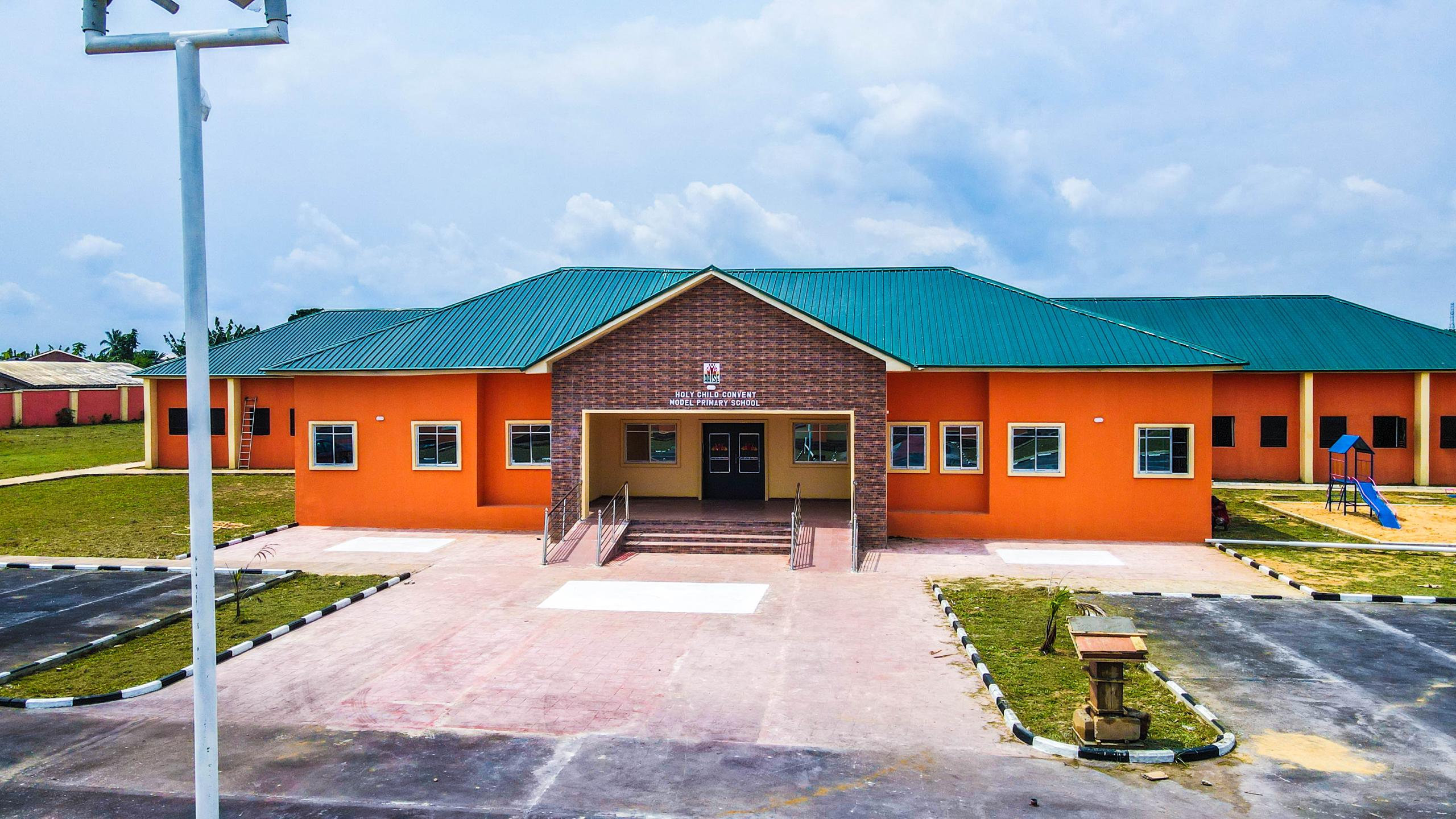
Enter Governor Umo Eno, who, under his ARISE Agenda, has pledged to revitalize education in Akwa Ibom. His administration has embarked on constructing new model primary schools, with the first inaugurated at Christ the King School, Uyo. The goal is ambitious—to replicate these institutions across all 31 local government areas. Billions of Naira went.
However, the path to success is fraught with challenges. The lessons from the past must not be ignored. The state must ensure that these schools are not only built but also maintained. This requires a legal framework to protect the institutions from encroachment and misuse by upcoming administrations.
Furthermore, the employment of qualified teachers with basic qualifications in Education is crucial. The state must invest in training and retaining educators who are committed to the mission of these schools. It is key too to build teachers’ quarters with adequate facilities and ensure they live in the school compounds.
Moreover, the selection process for pupils should be transparent and inclusive. Competitive entrance examinations can identify gifted children, especially from underprivileged backgrounds, ensuring that talent is nurtured regardless of socio-economic status. No man-no-man scheme is required in the admission of the pupils. More importantly, the state must make a futuristic plan to build and equip good secondary schools for the pupils, else the vision of turning out high quality graduates through the cradle becomes a huge but wasteful venture.
Governor Eno’s approach should also draw inspiration from other states. For instance, former Rivers State Governor Rotimi Amaechi’s emphasis on infrastructure and Borno State Governor Babagana Zulum’s focus on education in rural areas offer valuable models.
Under Amaechi administration, the Rivers government built 700 model primary schools with 500 completed each with 20 classrooms costing N3.1 billion each and equipped with ICT facility, modern library, science laboratory, football field, basketball pitch, volleyball pitch and Nursery playground. These model Primary schools were built to the standard of the United Nations and obtainable in developed parts of the world.
It also built 24 model secondary schools across the 23 local government areas in the state; well structured and fully equipped with modern day educational, recreation and boarding facilities with standard housing for teachers, these secondary schools have grossly been referred to by observers as Universities.
The Governor knew what his mission was, “We knew that the problem of the state was basically education, the state of our quality of education was abysmal and we knew that the quality can only improve if we take over primary education”, the governor emphasized, as he expressed concern over what local government councils were doing with the money meant for that”.
The government ran free primary education with free books and uniform, provisions of library and internet facilities for the primary schools. The government acquired 150 hectares of land to relocate the premier University of Technology in Nigeria; the Rivers State University of Science and Technology (RSUST), to a bigger and better permanent site. The new site had facilities and accommodated no fewer than 50,000 students. The Rivers State Government adjudged the best performing state in the Education sector within the South-South zone. In recognition of this, the Federal Ministry of Education rewarded the state with N70 million for its performance.
Similarly, Borno State has achieved a dramatic reduction in the number of out-of-school children, dropping from over 2.2 million to fewer than 700,000, a remarkable 70% decrease. Over the past five years, the Governor Babagana Umara Zulum administration has constructed 104 schools, restored 2,931 classrooms, and distributed millions of instructional materials to both basic and secondary schools across the state.
Governor Zulum has constructed and inaugurated 19 mega schools with lavish facilities and standard two-storey buildings, not what looks like ”Eskimos” buildings as academic blocks.
Though the establishment of model primary schools in Akwa Ibom is a commendable initiative, it must transcend the realm of political rhetoric and myopia. It requires a commitment to sustainable development in scientific and technological subjects, and a legal framework to sustain the schools even after the exit of Eno administration.
Only then can these institutions fulfill their promise of transforming education in the state instead of plunging the governor’s noble vision into peril. The time for action is now; the future of Akwa Ibom’s children depends on it.
