

Akakan Umoh
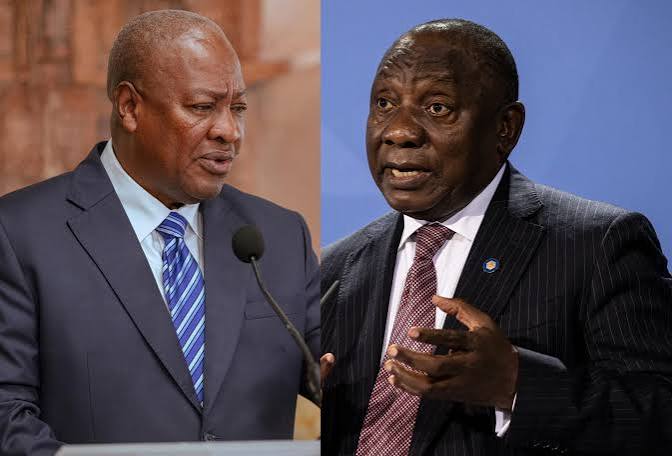
Ghana has turned down a state visit request from South African President Cyril Ramaphosa, as tensions rise over a wave of xenophobic violence that has targeted Ghanaian nationals living in South Africa.
A report by graphic.com.gh on Tuesday, July 7, quoted diplomatic sources in Accra and Pretoria that the decision comes amid a sharp escalation in anti-foreigner attacks across parts of South Africa.
The violence has already forced around 1,000 Ghanaians to return home, with another 900 said to be in the process of registering for repatriation.
Also read
- How Government Leaders Promote Hate Crimes, Xenophobia
- Xenophobia: South Africans Attack Nigerians Again
- Nigeria Recalls High Commissioner To South Africa, Shuns WES Over Xenophobia
The situation turned deadly on June 30, when a Ghanaian national was killed during a wave of demonstrations by xenophobic groups targeting African migrants.
According to the report, ”Accra was deeply concerned about the safety and dignity of its citizens” and could not justify hosting a high-profile visit “under the current circumstances,” the report stated.
On the Ghanaian side, officials pointed to a second worry: the president’s own safety. With anti-migrant sentiment running high, there were fears that Ramaphosa’s presence could provoke a hostile public reaction, a risk Accra was not willing to take.
“The government’s position on the protection of Ghanaians abroad is non-negotiable,” the report said, adding that a visit in the current climate could do more harm than good for both leaders.
Ghana has reportedly told South Africa exactly what needs to happen before any state visit can go ahead: concrete action to stop the attacks and firm guarantees for the safety of Ghanaian nationals living there.
Despite the diplomatic freeze on the visit itself, sources on the Ghanaian side insist the broader relationship between the two nations remains intact. This is being framed as a pause driven by security concerns, not a rupture in ties.
However, South Africa’s Justice Minister, Mmamoloko Kubayi, accused Ghanaian officials of spreading misinformation, saying, “It is concerning that Ghanaian authorities continue to communicate false information about South Africa regarding developments on irregular migration.”
She added, “The spread of false information to perpetuate the false narrative that South Africa is xenophobic is unacceptable.”
The disagreement has renewed attention on the safety of African migrants in South Africa, where previous outbreaks of v+olence against foreign nationals have repeatedly sparked concern across the continent.
